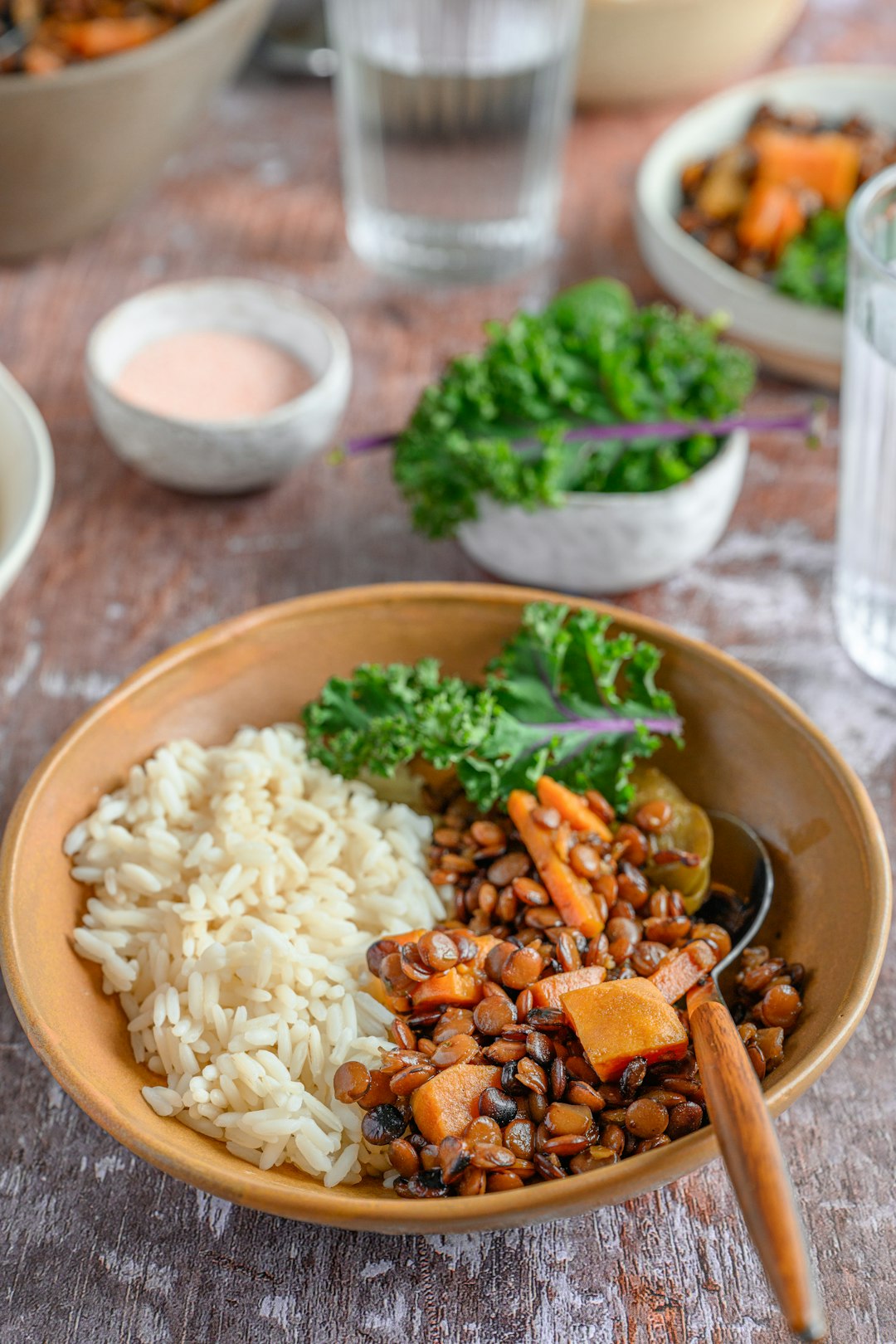
Kitchari is the cornerstone of Ayurvedic healing — a monodiet staple used for centuries to reset the digestive system. Rice and mung dal create a complete protein profile, while the gentle spices kindle agni without aggravating any of the three doshas. It is tridoshic, meaning it balances Vata, Pitta, and Kapha constitutions alike.
Ingredients
1 cup basmati rice 🟢
1/2 cup split yellow mung dal 🟡
6 cups water 🟢
2 tbsp ghee or coconut oil 🟢
1 tsp cumin seeds 🟢
1 tsp turmeric powder 🟢
1 inch fresh ginger, grated 🟢
1/2 tsp mustard seeds 🟢
Pinch of asafoetida (hing) 🟡
Salt to taste 🟢
Method
1
Wash the rice and mung dal together in several changes of cold water until the water runs clear. Soak them in fresh water for at least 30 minutes — or overnight if you have the time. This soaking step removes phytic acid and makes the grains far gentler on the stomach.
30 min soak
🫀
Health
Soaking activates enzymes that break down phytic acid — a compound in grains and legumes that binds to minerals like iron, zinc, and calcium, preventing their absorption. For seniors, whose mineral absorption naturally declines with age, this simple step can significantly increase the nutritional value of every bowl.
2
Heat the ghee in a heavy-bottomed pot over medium heat. Add the cumin seeds and mustard seeds. Wait for them to pop and sizzle — about 30 seconds. Add the asafoetida and stir for just a few seconds more.
2 min
📜
History
Kitchari (from Sanskrit khiccā, meaning "mixture") is one of the oldest recorded foods in human history. It appears in the Charaka Samhita, one of the foundational texts of Ayurveda dating to approximately 300 BCE. The dish was prescribed as a primary healing food during Panchakarma — Ayurvedic detoxification — and remains the go-to remedy for digestive complaints across the Indian subcontinent.
3
Drain the soaked rice and dal, and add them to the pot. Stir gently for 2 minutes to coat every grain with the spiced ghee. Add the turmeric and grated ginger, stirring until fragrant.
3 min
🌍
Cultural
In Indian households, kitchari holds a dual identity: it is both the food of Buddhist monks (who eat it for breakfast to sustain long meditation sessions) and the first solid food given to infants. Its reputation as "comfort food with healing powers" crosses every social and spiritual boundary in South Asia.
4
Pour in the 6 cups of water and add salt. Bring to a rolling boil, then reduce the heat to low. Cover the pot with a lid, leaving it slightly ajar to let steam escape. Let it simmer gently for 35–40 minutes, stirring occasionally.
40 min simmer
💡
Did You Know?
The word "congee" (Chinese rice porridge) and "kitchari" likely share a common ancestor — the Sanskrit word kanjika, meaning "fermented rice water." As Buddhism spread from India to China along the Silk Road, the healing rice porridge traveled with it, evolving into the congee traditions of East Asia.
5
Taste and adjust salt. Ladle into bowls, top with fresh cilantro, and serve with a squeeze of lemon. Eat slowly, chewing well.
Serve
🕌
Islamic Scholarly Note
While kitchari itself is rooted in Ayurvedic tradition, the Islamic scholarly tradition has long recognized the healing properties of its core ingredients. Imam Ibn al-Qayyim, in his Prophetic Medicine (al-Tibb al-Nabawi), discusses the benefits of rice porridge (aruzz) as a gentle, nourishing food for the sick and convalescent.
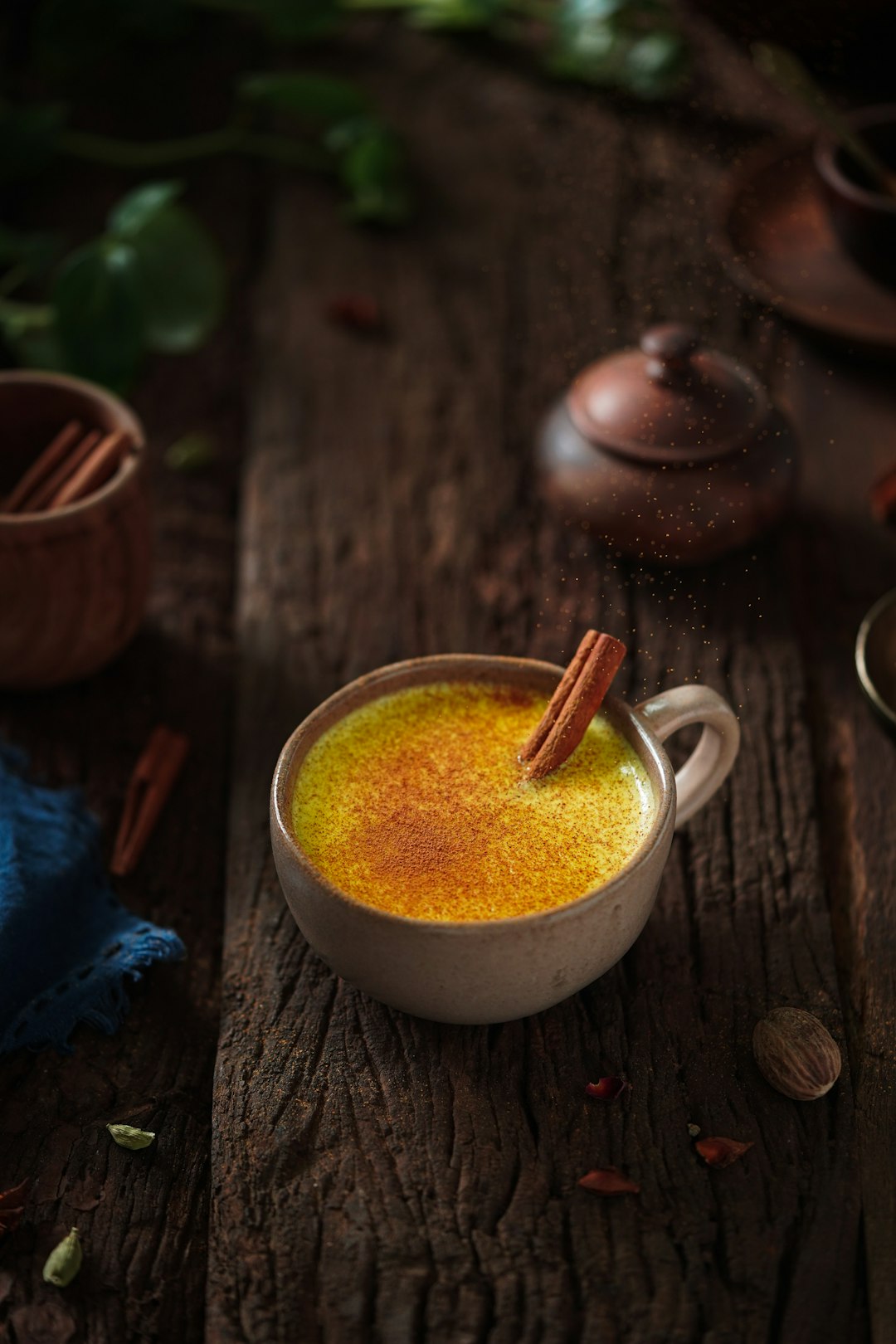
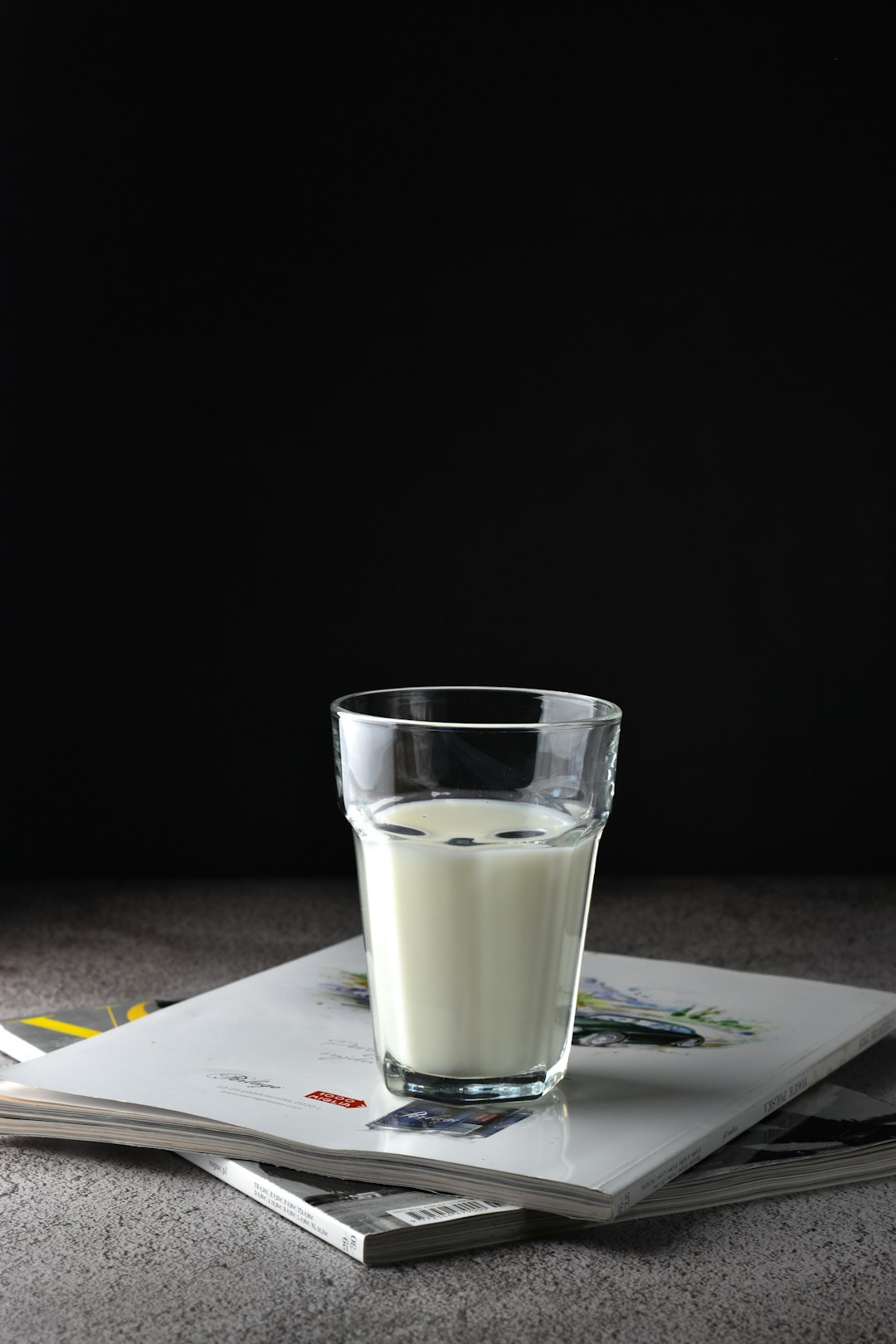
Golden milk — turmeric, black pepper, and ginger tonic
Recipe 2
Golden Milk — Haldi Doodh
Turmeric, Black Pepper & Ginger Tonic
15 min Very Easy Serves 2
🟢 Pantry StaplesAnti-InflammatoryBrain Health
Caution: Hot milk can scald. Use a larger mug than needed and handle with care.
Why This Heals Moderate
Golden milk is one of the most studied functional beverages in the world. Its active compound, curcumin, has been extensively researched for its anti-inflammatory properties. The addition of black pepper increases curcumin absorption by up to 2,000%.
Ingredients
2 cups whole milk 🟢
1 tsp turmeric powder 🟢
1/2 tsp ground cinnamon 🟢
1/4 tsp ground black pepper 🟢
1 inch fresh ginger, grated 🟢
1 tsp ghee or coconut oil 🟢
1 tsp honey (optional) 🟢
Method
1
In a small saucepan, combine the milk, turmeric, cinnamon, black pepper, and grated ginger. Whisk together until smooth. Place over medium-low heat.
2 min
🔬
Science
Piperine, the active compound in black pepper, inhibits an enzyme in the liver called glucuronidation — which would otherwise rapidly break down curcumin before it reaches the bloodstream. A landmark 1998 Planta Medica study found that just 1/4 teaspoon of black pepper increased curcumin bioavailability by 2,000%.
2
Heat gently, stirring frequently with a whisk. Do not let it boil — you want it steaming hot but not scalding. After about 5 minutes, add the ghee and stir until melted.
5 min
🕌
Islamic Tradition
Turmeric (hurd in Arabic) has been used in the Islamic world for over a millennium. Ibn al-Qayyim describes it in al-Tibb al-Nabawi as beneficial for the liver and stomach.
3
Remove from heat. Sweeten with honey if you like — add it after the milk has cooled slightly (below 110°F/43°C) to preserve honey's beneficial enzymes. Pour into your favorite mug and sip slowly, ideally in the evening.
2 min
🫀
Brain Health
Curcumin crosses the blood-brain barrier and has been shown to increase Brain-Derived Neurotrophic Factor (BDNF) — a growth hormone that functions in the brain. Decreased BDNF is linked to depression, Alzheimer's disease, and age-related cognitive decline.
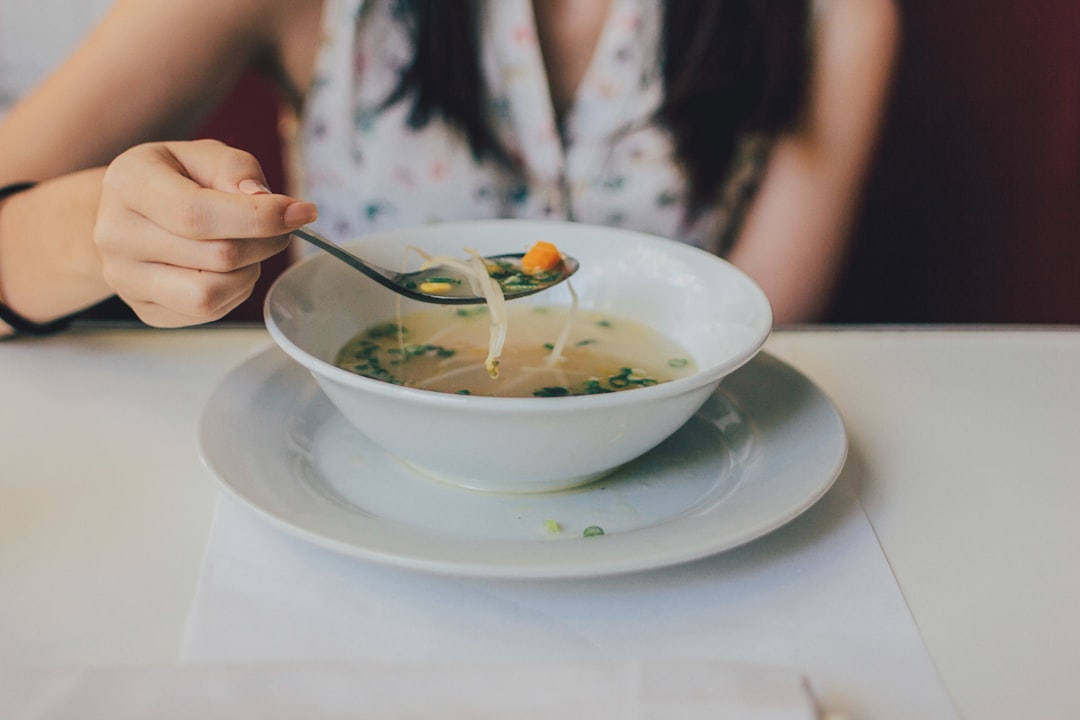
Bone broth with ginger, goji berries, and jujube dates
Recipe 3
Ginger, Goji & Jujube Bone Broth
Traditional Chinese Medicine Tonic
4–6 hours Easy Serves 6
🟡 Specialty ItemsBlood Nourishing⚠️ Use Instant Pot
Senior Safety: Use Instant Pot or slow cooker to avoid lifting heavy pots. Let broth cool slightly before straining.
Why This Heals Traditional
This broth combines three powerhouse ingredients from Traditional Chinese Medicine: ginger for warming the body and aiding circulation, goji berries for nourishing the blood and supporting eye health, and jujube dates for strengthening the spleen qi and calming the spirit.
Ingredients
2 lbs beef or chicken bones (pre-cut) 🟢
6 cups water 🟢
1 inch fresh ginger, sliced 🟢
2 tbsp goji berries 🟡
4-5 dried jujube dates 🟡
1 tbsp apple cider vinegar 🟢
Salt to taste 🟢
Method
1
Place the bones in a large pot and cover with cold water. Bring to a boil. Simmer 5 minutes, then drain and rinse the bones. Discard the blanching water.
10 min
🫀
Health
This initial blanching step removes blood, bone fragments, and impurities that would otherwise cloud the broth. In TCM, this step is considered essential for creating a "clean" broth that tonifies without creating internal "dampness" — a concept roughly corresponding to metabolic sluggishness and inflammation.
2
Return the cleaned bones to the pot (or better yet, an Instant Pot). Add 6 cups of fresh water, the apple cider vinegar, and sliced ginger. The vinegar helps draw minerals from the bones into the broth. Bring to a boil, then reduce to the lowest possible heat. Cover and simmer gently for 4–6 hours.
4-6 hours
📜
History
Goji berries and jujube dates traveled westward along the Silk Road for centuries, reaching the Middle East and eventually Europe. In the Islamic world, jujube (unnab) became deeply valued. While the Quran mentions sidr (lote-tree, Ziziphus spina-christi) as a cosmic symbol in Paradise, the Chinese jujube (Ziziphus jujuba) is a different species in the same genus — equally prized for its nourishing properties.
3
During the last 30 minutes of simmering, add the goji berries and jujube dates. These delicate ingredients would disintegrate with prolonged cooking, so they are added at the end to preserve their flavor and nutritional value.
30 min
🫀
Health
Goji berries contain the highest concentration of zeaxanthin of any common food — a carotenoid that accumulates in the retina and helps protect against age-related macular degeneration (AMD), the leading cause of vision loss in adults over 50.
4
Remove from heat. Strain the broth through a fine-mesh sieve into a clean pot or bowl. Discard the bones and spent ginger. Season with salt to taste. Serve warm, sipping slowly.
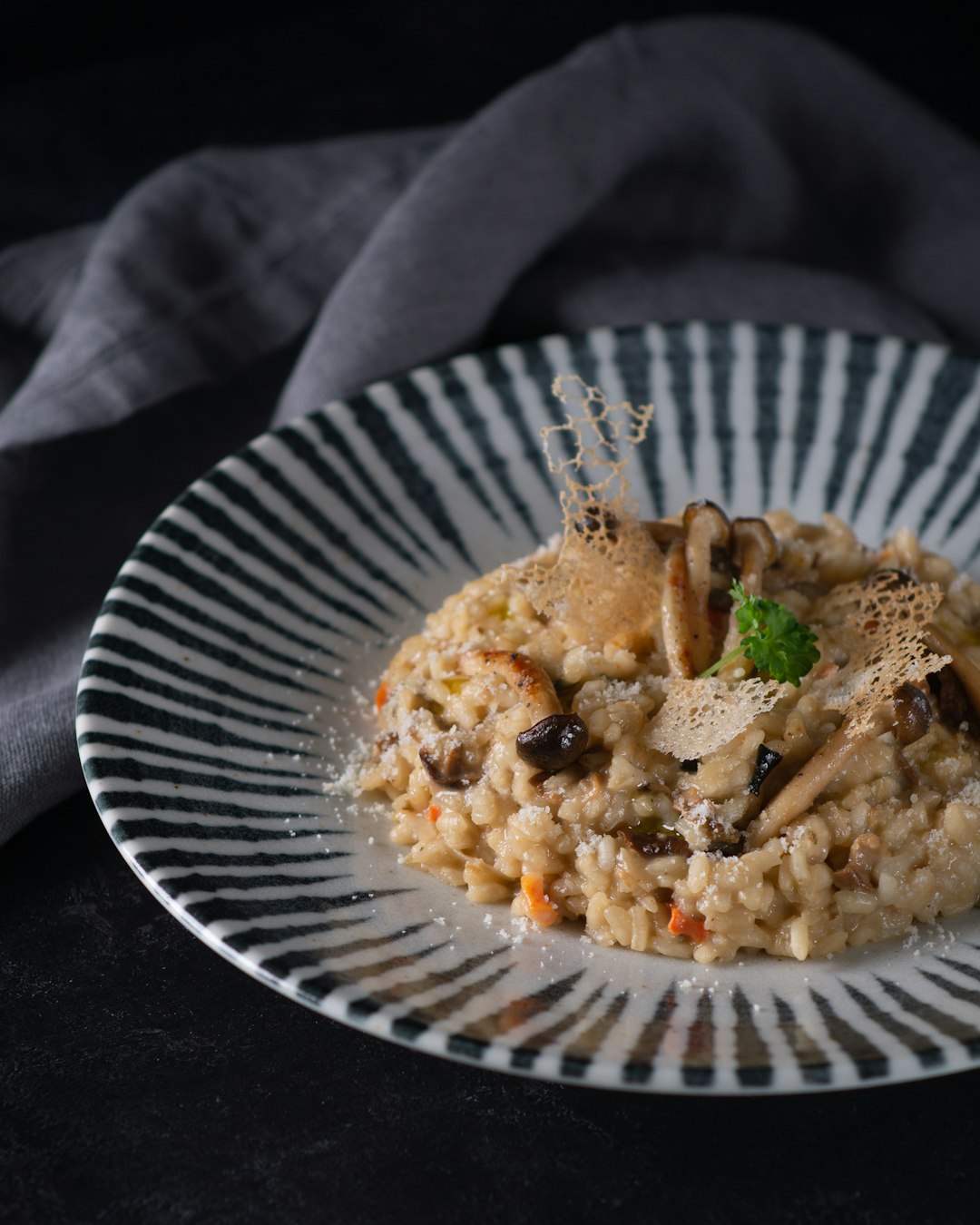
Congee with shiitake — the ultimate healing porridge
Recipe 4
Congee with Shiitake
Chinese/Japanese Medicinal Rice Porridge
2 hours Easy Serves 4
🟢 Pantry StaplesDigestive Healing⚠️ Use Rice Cooker
Why This Heals Traditional
Congee is the ultimate healing food in East Asian medicine — prescribed for the elderly, the sick, and new mothers for over 2,000 years. The addition of shiitake mushrooms brings powerful immune-modulating beta-glucans to an already gut-soothing base.
Ingredients
1 cup jasmine rice 🟢
8 cups water or light broth 🟢
4-5 dried shiitake mushrooms 🟡
1 inch fresh ginger, sliced 🟢
1 tbsp soy sauce or tamari 🟢
2 stalks green onions, sliced 🟢
1 tsp sesame oil 🟢
Method
1
The night before: place the dried shiitake mushrooms in a bowl with 2 cups of warm water. Soak overnight (or at least 4 hours). This soaking liquid is liquid gold — do not discard it. In the morning, remove the mushrooms, squeeze out excess liquid, and slice them thinly.
Overnight soak
🔬
Science
Shiitake mushrooms contain beta-glucans — complex sugars that "train" the immune system to respond more effectively to threats. Unlike stimulants that push the immune system in one direction, beta-glucans are immunomodulators: they balance immune response, calming it when overactive and activating it when sluggish. This makes them particularly valuable for seniors, whose immune function naturally declines with age — a process called immunosenescence.
2
Rinse the jasmine rice in cold water until the water runs clear. Place the rice in a large pot with 8 cups of water (or broth), the reserved mushroom soaking liquid, and the sliced ginger. Bring to a boil over high heat. Alternatively, use a rice cooker with a "congee" or "porridge" setting.
5 min
📜
History
Congee has been a staple of Chinese cuisine since at least the Han Dynasty (206 BCE – 220 CE). Legend holds that Emperor Huangdi, the mythical founder of Chinese medicine, prescribed rice porridge as the foundation of all healing diets.
3
Once boiling, reduce heat to the lowest setting. Add the sliced shiitake. Cover with a lid slightly ajar. Simmer gently for 1.5 to 2 hours, stirring occasionally. The congee is ready when the rice has completely broken down into a creamy, porridge-like consistency.
1.5-2 hours
🌍
Cultural
In Chinese Buddhist tradition, congee is considered the food of compassion — simple, humble, and nourishing without excess. During the Tang Dynasty, Buddhist monasteries would distribute congee to the poor during winter months.
4
Stir in the soy sauce. Taste and adjust seasoning. Ladle into bowls, top with sliced green onions and a drizzle of sesame oil. Eat warm, preferably in the morning when the stomach is most receptive.
🟡 Specialty ItemsSleep QualityZero Drug Interactions
Caution: Hot milk can scald. Use a larger mug than needed and handle with care.
Why This Heals Moderate
Saffron — the world's most precious spice by weight — has been clinically proven to improve sleep quality and mood in older adults. Combined with cardamom and warm milk, this drink supports the nervous system, promotes relaxation, and encourages deep, restorative sleep. Unlike many sleep aids, saffron has zero drug interactions and no morning grogginess.
Ingredients
2 cups whole milk 🟢
8-10 saffron threads 🟡
1/4 tsp ground cardamom 🟢
1/4 tsp ground cinnamon 🟢
Pinch of nutmeg 🟢
1 tsp ghee or coconut oil 🟢
1 tsp honey (optional) 🟢
Method
1
Place the saffron threads in a small dish. Add 1 tablespoon of warm water and let them steep for 5 minutes. The water will turn a deep golden-orange color, and the saffron's aroma will intensify. This pre-soaking step maximizes the extraction of saffron's active compounds — crocin and safranal.
5 min
🔬
Science
A landmark study published in the Journal of Clinical Pharmacy and Therapeutics (PMID: 24290594) found that saffron supplementation significantly improved sleep quality in adults over 60. Another study in the Journal of Affective Disorders showed that saffron was as effective as fluoxetine (Prozac) for mild-to-moderate depression — with far fewer side effects.
2
Pour the milk into a small saucepan. Add the saffron with its soaking water, cardamom, cinnamon, and nutmeg. Whisk until the spices are fully dissolved. Place over medium-low heat.
2 min
🕌
Islamic Tradition
Saffron (za'faran in Arabic) has been prized in Islamic culture for over a millennium. It was used in cooking, medicine, and as a dye for textiles and manuscripts. Ibn Sina (Avicenna) described saffron in his Canon of Medicine as beneficial for heart strength, digestion, and eye health. Today, Iran produces over 90% of the world's saffron.
3
Heat gently, stirring frequently. Do not let it boil — you want it steaming hot but not scalding. After about 5 minutes, add the ghee and stir until melted. The milk will take on a beautiful golden hue from the saffron.
5 min
🫀
Health
Sleep quality naturally declines with age — seniors produce less melatonin and spend less time in deep (slow-wave) sleep. Saffron has been shown to increase time spent in deep sleep and reduce nighttime awakenings without causing morning grogginess. Unlike pharmaceutical sleep aids, saffron does not suppress REM sleep or create dependency.
4
Remove from heat. Sweeten with honey if desired (add after cooling slightly to preserve enzymes). Pour into a mug. Sip slowly, ideally 30–60 minutes before bedtime. Breathe deeply. Let the warmth and the spices do their work.
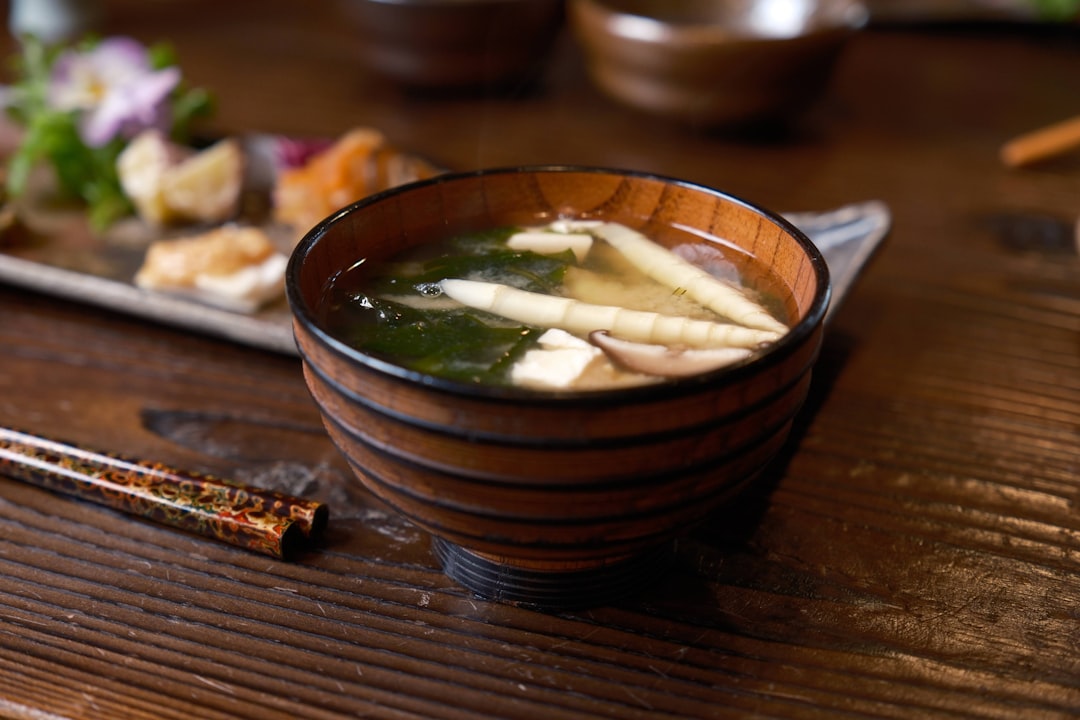
Miso is a fermented soybean paste rich in probiotics — beneficial bacteria that support gut health, immunity, and even mood. Combined with mineral-rich wakame seaweed, this soup is a daily longevity food in Japan. Okinawans, among the longest-lived people on Earth, consume miso soup almost every day.
Ingredients
4 cups water 🟢
2 tbsp low-sodium miso paste 🟡
1 tbsp dried wakame seaweed 🟡
4-5 fresh shiitake mushrooms, sliced 🟢
1/2 cup silken tofu, cubed 🟢
2 stalks green onions, sliced 🟢
1 tsp grated ginger 🟢
Method
1
Place the dried wakame in a small bowl of cold water. It will expand dramatically in just 5 minutes — a little goes a long way. Once rehydrated, drain and set aside. Cut into bite-sized pieces if the sheet is large.
5 min
🔬
Science
Wakame seaweed is one of the richest natural sources of iodine, calcium, iron, and magnesium. It also contains fucoxanthin — a carotenoid pigment unique to brown seaweed that has been shown in studies to support fat metabolism and reduce inflammation.
2
In a pot, bring 4 cups of water to a gentle simmer. Add the sliced shiitake mushrooms and grated ginger. Simmer for 10 minutes to extract the mushroom umami and ginger warmth into the broth.
10 min
📜
History
Okinawa, Japan, is one of the world's five "Blue Zones" — regions where people live significantly longer than average. Okinawans consume miso soup daily, often for breakfast. The traditional Okinawan diet is rich in fermented foods, seaweed, and vegetables, with miso soup as its cornerstone.
3
Remove the pot from heat. This is important: boiling destroys the beneficial probiotics in miso. Place the miso paste in a small bowl, add a few tablespoons of the warm (not boiling) broth, and whisk until smooth. Pour this mixture back into the pot and stir gently.
3 min
🫀
Health
As we age, the diversity of our gut microbiome naturally declines — a condition linked to increased inflammation, weakened immunity, and digestive issues. Fermented foods like miso introduce beneficial bacteria that help restore microbial balance.
4
Add the rehydrated wakame and cubed silken tofu. Let them warm through for 1–2 minutes (do not boil). Ladle into bowls, top with sliced green onions, and serve immediately.
3 min
🕌
Islamic Connection
While miso itself is Japanese, the concept of fermented foods for health has deep roots in Islamic medicine. The Prophet Muhammad ﷺ consumed and praised fermented foods including vinegar (khall), yogurt, and fermented drinks. Ibn al-Qayyim discusses the benefits of vinegar and fermented foods in al-Tibb al-Nabawi — aligning with modern understanding of probiotics and gut health.
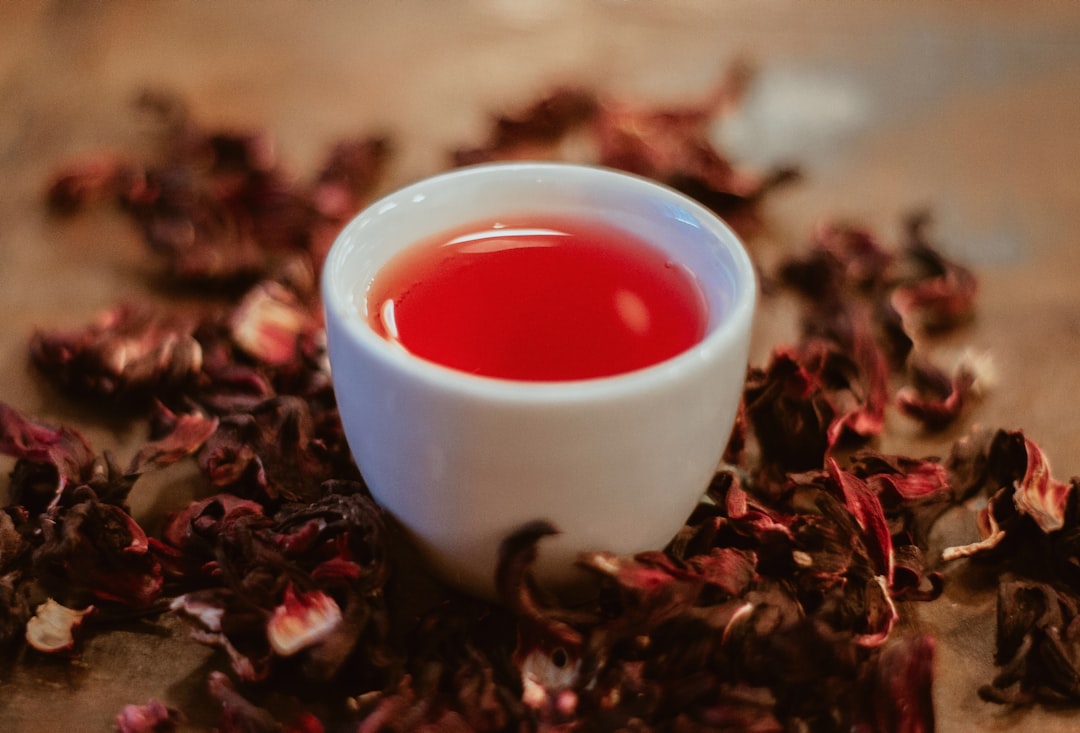
Hibiscus (Jamaica flower) is one of the most scientifically validated herbal remedies for cardiovascular health. Multiple clinical trials have confirmed its ability to modestly lower blood pressure and cholesterol. Combined with cinnamon — which supports healthy blood sugar levels — this refreshing drink is a delicious way to support heart health.
Ingredients
1/2 cup dried hibiscus flowers 🟡
6 cups water 🟢
1 cinnamon stick 🟢
2 tbsp sugar or honey 🟢
1/2 tsp vanilla extract (optional) 🟢
2-3 lime slices 🟢
Method
1
Bring 6 cups of water to a boil in a large pot (or use an electric kettle with auto-shutoff for safety). Add the dried hibiscus flowers and cinnamon stick. Once the water returns to a boil, reduce heat and simmer for 15 minutes. The water will turn a deep, garnet red — the color of rubies.
15 min
🔬
Science
Hibiscus sabdariffa contains anthocyanins and polyphenols that act as natural ACE inhibitors — the same mechanism used by prescription blood pressure medications like lisinopril. A 2010 meta-analysis in the Journal of Hypertension found that hibiscus tea significantly reduced both systolic and diastolic blood pressure.
2
Remove from heat. Add the sugar or honey while the liquid is still warm, stirring until dissolved. Add vanilla extract if using. Allow the mixture to cool to room temperature.
10 min
📜
History
Hibiscus sabdariffa is native to West Africa, where it has been used for centuries to make a refreshing drink called bissap or sobolo. Enslaved Africans brought hibiscus to the Americas during the transatlantic slave trade, and it became deeply embedded in Latin American culture.
3
Strain through a fine-mesh sieve into a pitcher. Discard the hibiscus flowers and cinnamon stick. Refrigerate until cold. Serve over ice with lime slices. The drink should be tart, sweet, and deeply refreshing.
🟢 Pantry StaplesBlood Tonic⚠️ Use Pre-Cooked Beets
Senior Safety: Use pre-cooked beets to avoid difficult peeling. Wear gloves to prevent staining.
Why This Heals Moderate
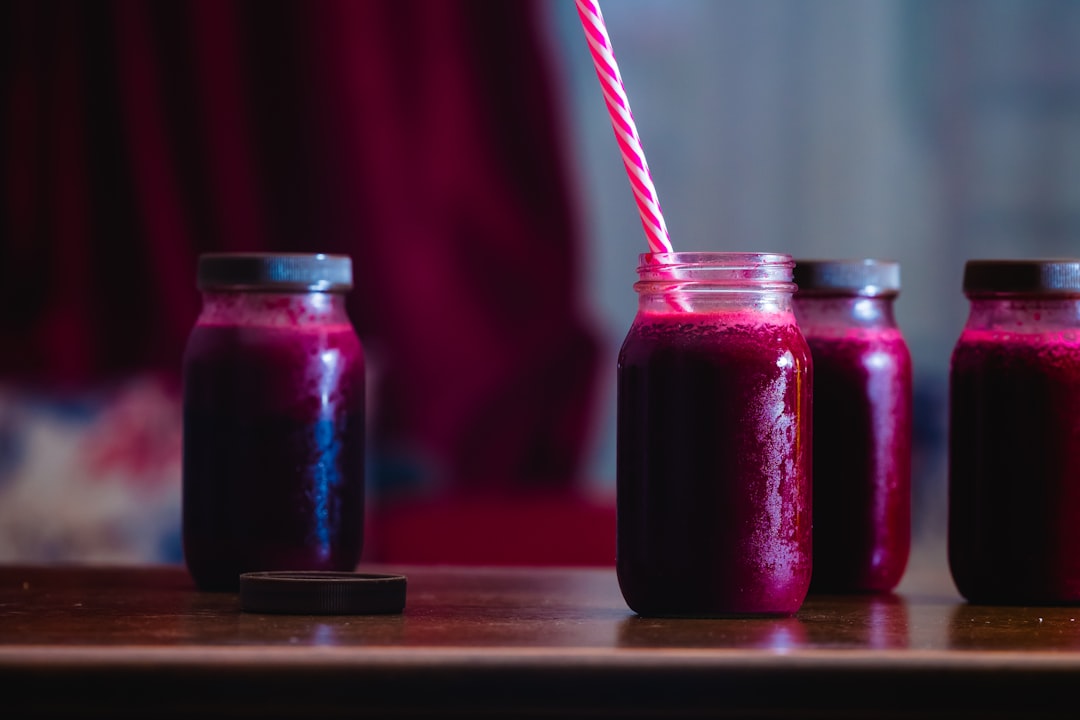
This vibrant pink sharbat combines three powerful ingredients from the Middle Eastern healing tradition: beetroot for blood-building iron and natural nitrates, ginger for circulation and warmth, and rose for its calming, anti-inflammatory properties. The sharbat tradition is one of the oldest beverage customs in the Islamic world.
Ingredients
2 medium pre-cooked beetroots, chopped 🟢
1 inch fresh ginger, sliced 🟢
4 cups water 🟢
2 tbsp sugar or honey 🟢
1 tbsp rose water 🟡
1 tbsp lemon juice 🟢
1 tsp dried rose petals 🟡
Method
1
Place the pre-cooked beetroot and ginger in a pot with 4 cups of water. Bring to a boil, then reduce heat and simmer for 20–30 minutes until the beetroot is very tender and the liquid has turned a deep, ruby red. Using pre-cooked beets eliminates the difficult peeling and chopping of raw beetroot.
30 min
🔬
Science
Beetroot is one of the richest dietary sources of nitrates, which the body converts to nitric oxide — a molecule that relaxes and dilates blood vessels. A 2015 study in the journal Hypertension found that drinking beetroot juice daily reduced systolic blood pressure by an average of 4–5 mmHg — a clinically significant reduction for seniors.
2
Strain the liquid through a fine-mesh sieve into a clean pot. Press the beetroot gently to extract all the liquid. Discard the solids (or save for another use — they are delicious in salads). Return the strained liquid to the pot.
5 min
🕌
Islamic Connection
Rose water holds a special place in Islamic culture and medicine. The Prophet Muhammad ﷺ is reported to have valued roses highly, and rose water has been used in the Islamic world for centuries — in cooking, medicine, and perfumery. Ibn al-Qayyim notes that rose water "strengthens the heart and brings joy to the soul."
3
Add the sugar or honey to the warm beetroot liquid and stir until dissolved. Add the rose water and lemon juice. Stir well. Taste and adjust sweetness — it should be sweet-tart with a floral aroma. The lemon juice brightens the flavor and adds vitamin C, which enhances iron absorption.
3 min
📜
History
Sharbat (from Arabic shariba, "to drink") is one of the oldest beverage traditions in the Islamic world. Medieval Arabic cookbooks describe dozens of sharbat recipes using roses, pomegranates, lemons, and herbs. The Ottoman Empire elevated sharbat-making to an art form, with dedicated sharbat-makers in the imperial palace.
4
Allow to cool, then refrigerate. Serve chilled over ice, garnished with dried rose petals. This concentrate can be diluted with water or sparkling water to taste. Store in the refrigerator for up to one week.
This recipe combines two of the most powerful healing substances in Islamic Prophetic Medicine: black seed (habbatul barakah) and honey. The Prophet Muhammad ﷺ described black seed as a cure for "everything except death." Research has confirmed its anti-inflammatory, antioxidant, and immune-modulating properties.
Ingredients
2 tbsp black seed (nigella sativa) 🟡
1/2 cup raw honey 🟢
1 tbsp ground black seed (optional) 🟡
4-5 saffron threads (optional) 🟡
Method
1
Lightly toast the whole black seeds in a dry pan over low heat for 2–3 minutes, stirring constantly. You will hear them crackle and smell a warm, peppery aroma. Do not let them burn — the goal is to lightly awaken the oils, not to cook them. Remove from heat and allow to cool.
5 min
🕌
Islamic Connection
The Prophet Muhammad ﷺ said: "Hold on to the black seed — it is a cure for every disease except death" (Sahih al-Bukhari 5688, Sahih Muslim 2215). This hadith has inspired over 1,400 years of black seed use in the Islamic world. The seed is called habbatul barakah — "the blessed seed" — in Arabic.
2
Once cooled, grind the toasted seeds coarsely in a mortar and spice grinder. You want a mix of cracked seeds and some powder — not a fine flour. The texture adds interest and ensures the oils are released slowly. A coarse grind is also gentler on the digestive system than a fine powder.
5 min
🔬
Science
The primary active compound in black seed is thymoquinone — a molecule with remarkable pharmacological properties. Research has documented thymoquinone's anti-inflammatory, antioxidant, and antimicrobial effects in laboratory studies. For seniors, its immune-modulating and anti-inflammatory properties are particularly valuable.
3
In a clean glass jar, layer the ground black seed with the raw honey. Stir gently to combine, ensuring the seeds are fully coated in honey. If using, add the saffron threads. Seal the jar tightly. The honey acts as both a preservative and a synergistic enhancer.
3 min
🫀
Health
Raw honey never spoils. Archaeologists have found 3,000-year-old honey in Egyptian tombs that was still edible. Honey's remarkable preservative properties come from its low moisture content, high acidity, and the presence of hydrogen peroxide produced by enzymes bees add to the nectar.
4
Store at room temperature in a cool, dark place. Allow the flavors to meld for at least 24 hours before using. Take 1–2 teaspoons daily — straight from the spoon, or stirred into warm water, tea, or milk. Best taken in the morning on an empty stomach for maximum absorption.
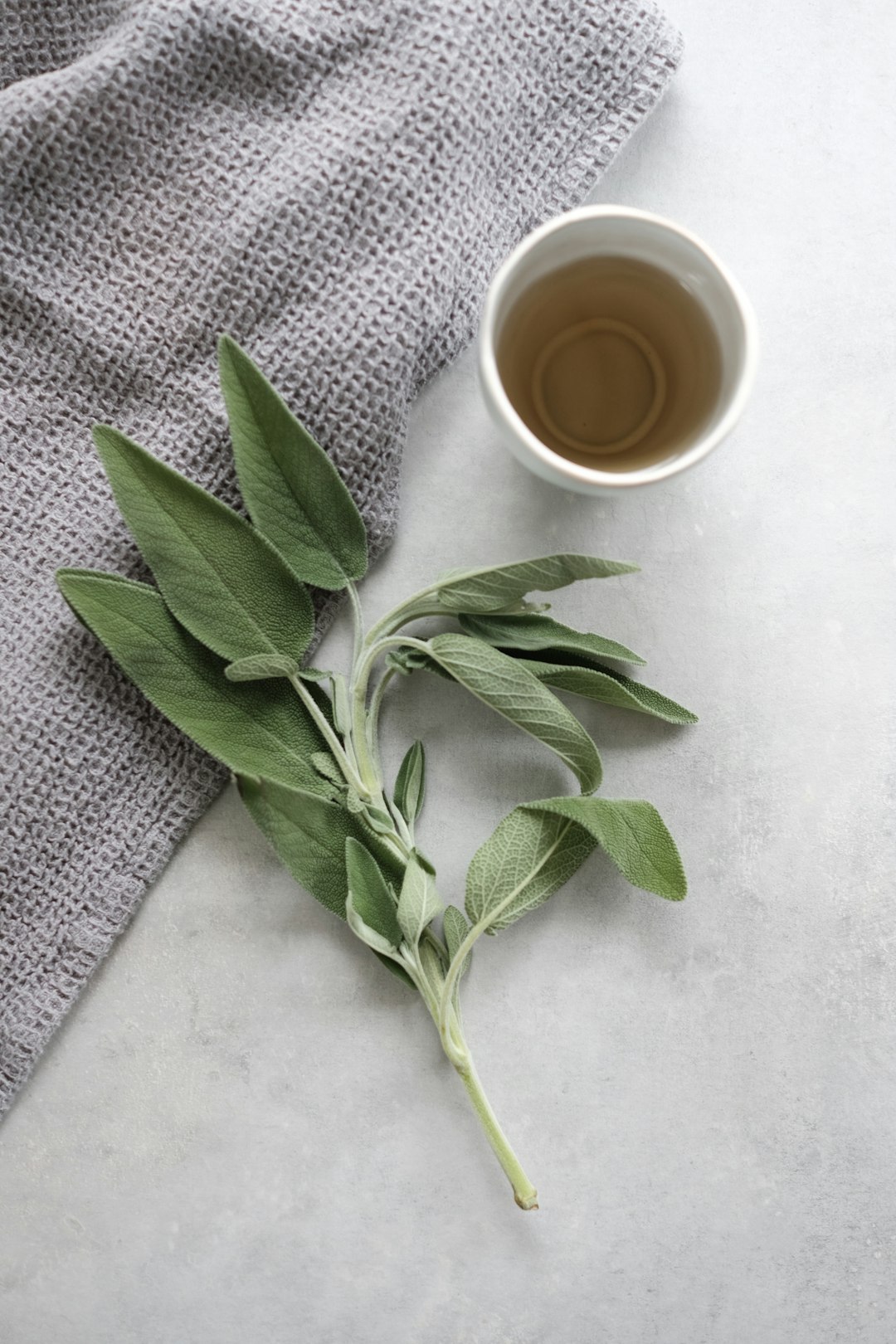
Sage (Salvia officinalis) has been used for cognitive enhancement since ancient times. Modern clinical research confirms what traditional healers knew: sage improves memory, attention, and mental clarity in older adults. Combined with honey — itself a revered healing substance in Islamic medicine — this simple tea is a daily ritual for brain health.
Ingredients
6-8 fresh sage leaves (or 1 tbsp dried) 🟢
2 cups water 🟢
1 tbsp raw honey 🟢
1 slice lemon (optional) 🟢
Method
1
Bring 2 cups of water to a boil. If using an electric kettle, simply boil the water and pour it into a teapot or mug. Add the sage leaves — gently bruise them between your fingers before adding to release their essential oils. If using dried sage, simply measure it into the pot or a tea infuser.
2 min
🔬
Science
A landmark study by Scholey et al. (2008) demonstrated that sage extract significantly improved memory and attention in healthy older adults. Sage works by inhibiting acetylcholinesterase — the enzyme that breaks down acetylcholine, a neurotransmitter essential for learning and memory. A 2014 study in Psychopharmacology found that sage was well-tolerated and showed promise for cognitive support in adults with mild-to-moderate Alzheimer's disease.
2
Cover and steep for 5–7 minutes. The water will turn a pale green-gold color, and the aroma will be warm, herbaceous, and slightly peppery. Do not over-steep — sage can become bitter if left too long. The ideal steeping time balances flavor with potency.
7 min steep
📜
History
The genus name Salvia comes from the Latin salvare, meaning "to save" or "to heal" — a testament to sage's revered status in European herbal tradition. The great Islamic physician Al-Zahrawi (Abulcasis) described sage in his medical encyclopedia as beneficial for memory, digestion, and oral health.
3
Strain the leaves (or remove the infuser). Add honey to taste — stir until dissolved. Add a slice of lemon if desired. Sip slowly while warm. The honey not only sweetens the tea but adds its own healing compounds, creating a synergistic effect. Best enjoyed in the morning or early afternoon.
2 min
🕌
Islamic Connection
Honey holds a uniquely honored place in Islamic medicine. The Quran dedicates an entire passage to honey and its healing properties: "There comes from their bellies a drink of varying colors, in which there is healing for people" (An-Nahl, 16:69). The Prophet Muhammad ﷺ recommended honey for digestive ailments, and Ibn al-Qayyim devoted extensive chapters to honey's therapeutic uses in al-Tibb al-Nabawi.